
Opinion. Easton writes Hardwire’s opinion column. Where this piece speculates, it says so.
Friday was a two-track day in Washington. FinCEN ordered U.S. banks off MEXC Global, alleging at least $16 billion in illicit flows tied to Iran, North Korea and Russia. The same day, FinCEN and the Fed withdrew a 2020 plan that would have dropped the cross-border Travel Rule and Recordkeeping threshold from $3,000 to $250. And the Labor Department’s final rule on alternative assets in 401(k) plans, including crypto, has been sitting at the White House’s OIRA desk since Nov. 5. One door slammed. One surveillance expansion walked back. One retirement-plan safe harbor is already in review.
Where the cut-off makes sense. If FinCEN’s numbers hold—direct deals with sanctioned Garantex and Grinex into June 2026, Iranian exchangers, IRGC-linked flows—then cutting an offshore platform off U.S. correspondent rails is basic AML, not a culture war. Banks should not process funds for a venue the government calls a primary money laundering concern. Treasury said the order takes effect 30 days after Federal Register publication. That is a real clock, not a press release.
Where the dual track looks political. The same shop that just closed the U.S. door on a big offshore exchange also told banks they will not have to collect and pass traveler data on cross-border wires down to $250. Commenters had said the lower threshold would hammer smaller banks and remittances. Fair enough. But notice the optics: hard power on a foreign exchange accused of servicing sanctioned states, softer posture on sweeping smaller everyday transfers into the same net. Meanwhile the DoL 401(k) alternatives rule is already at OIRA. That track is about who gets a fiduciary safe harbor inside the U.S. retirement system, not about who gets locked out of it.
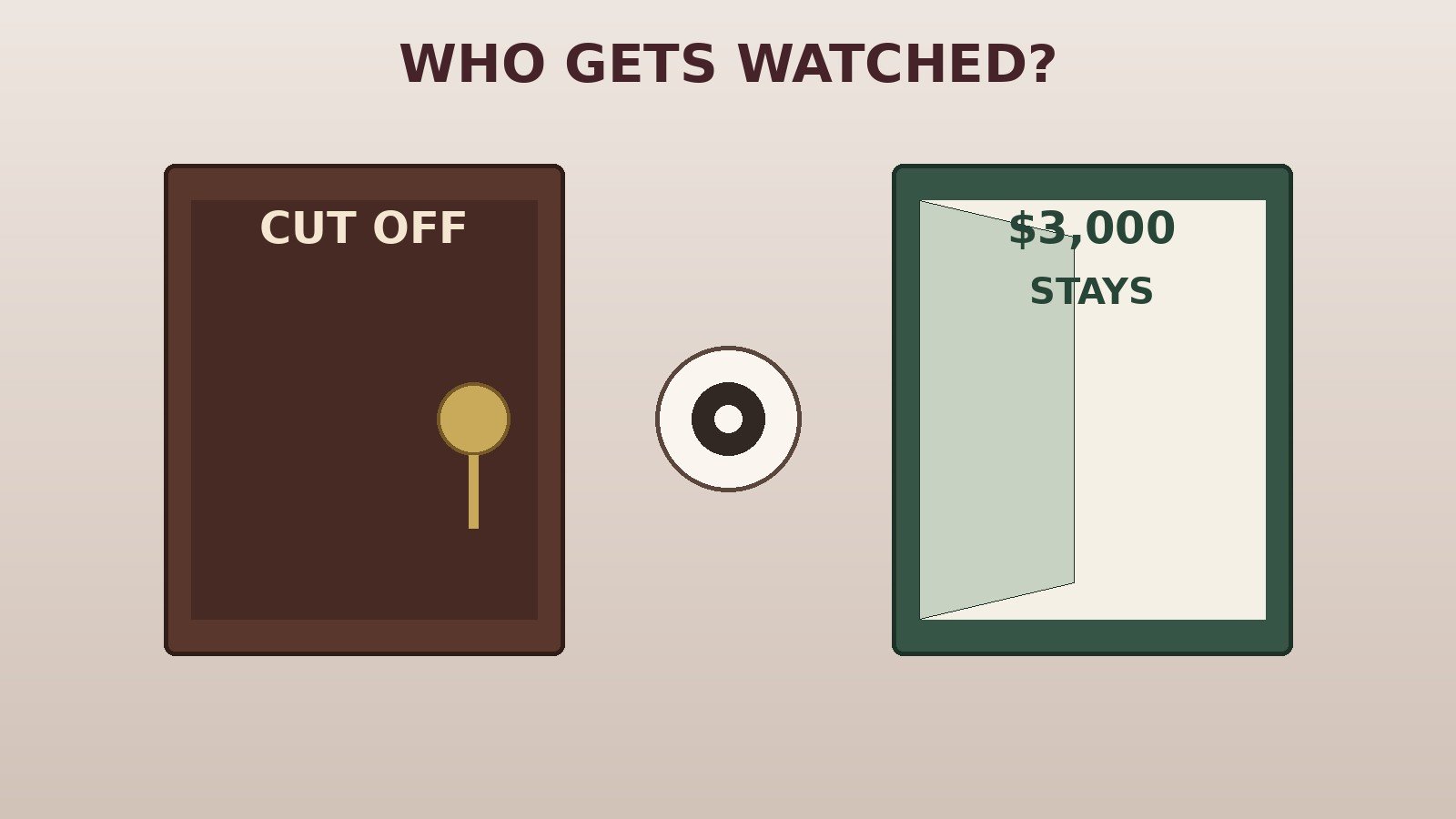
Here’s my speculation, labeled as such. I think the watch list and the welcome mat are being sorted by constituency. Offshore venues that look like sanctions funnels get the section 9714 treatment. Domestic products that can be wrapped in a retirement account get a path through Labor and White House review. Everyday cross-border senders keep the $3,000 Travel Rule floor for now. That is not proof of a conspiracy. It is a pattern worth watching: who gets cut off, who gets a safe harbor, and whose transfers stay below the paperwork line.
What I’d want to see. The MEXC order published with a clear effective date, public metrics on how much U.S. dollar flow actually dies when the ban hits, and a plain statement from FinCEN and the Fed on whether a new Travel Rule proposal is coming—or whether $3,000 is the settled line. And if 401(k) crypto gets a fiduciary safe harbor, the same officials should say out loud who that protects and who it doesn’t.
Sources: U.S. Department of the Treasury, FinCEN (Section 9714 order), Federal Register (2026-22809), MEXC, Hardwire (DoL 401(k) Policy extra), ABA Banking Journal.