
Opinion. Easton writes Hardwire’s opinion column. Where this piece speculates, it says so.
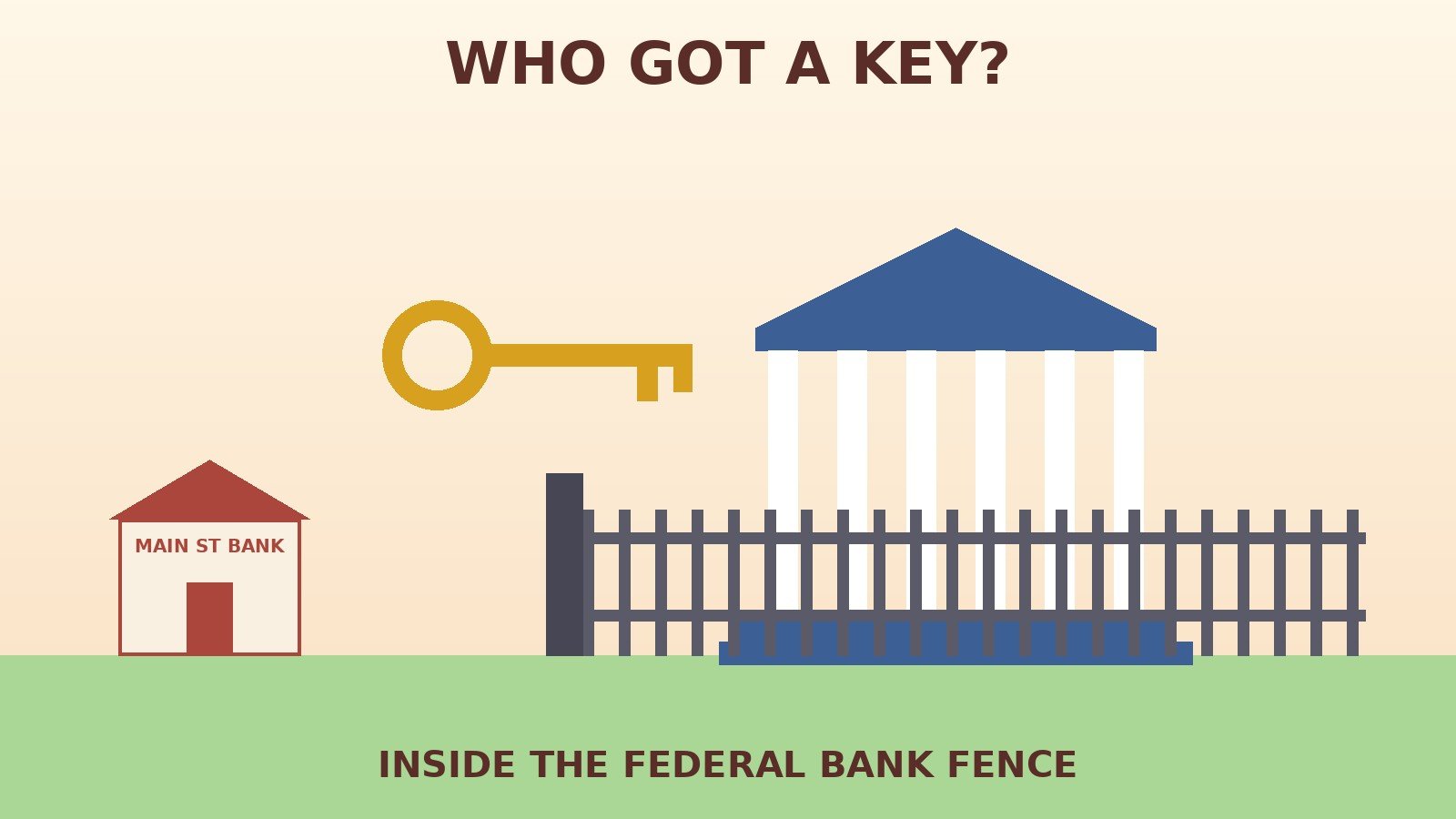
Crypto custody just moved inside the federal bank fence. The OCC’s licensing records show Coinbase National Trust Company went effective on Friday, and Coinbase announced it Monday. Ripple’s national trust bank went effective Oct. 26. The biggest crypto exchange in America now holds institutional clients’ coins under a federal examiner, with a $60 million capital floor and a cash cushion big enough to cover 180 days of a wind-down.
Where this is a win. Custody is plumbing, and plumbing should be inspected. After the multibillion-dollar hack at Binance, institutions want a custodian with a regulator, capital rules and a written wind-down plan behind it, not a pinky promise. The charter does not let Coinbase take retail deposits or make loans. People who spent years asking for clear rules instead of regulation by enforcement should take the win.
Where it tilts. Look at who can clear the bar. Coinbase spent months on compliance builds, hiring and preopening exams, on top of the capital floor. A big public company can pay that. A small startup mostly can’t. Community banks say the field isn’t level either. In its lawsuit against the OCC, the Independent Community Bankers of America says the agency has approved or conditionally approved 21 national trust charters in President Trump’s second term, 13 of them for crypto firms. ICBA says two of its small member banks each spend about $1.5 million a year on rules trust banks don’t face, like FDIC assessments and Community Reinvestment Act exams. Its CEO says Congress never meant the trust charter to be “a side door into the banking system.” Main Street lenders have a point.
Check the guest list. The OCC also gave conditional approval in August to World Liberty Trust Co., tied to the Trump family’s World Liberty Financial. Last week, Sen. Richard Blumenthal, the incoming chair of the Senate’s investigations subcommittee, sent letters giving World Liberty Financial, Binance, Tether and Fight Fight Fight LLC until Jan. 4, 2027 to hand over records voluntarily, or face “alternative measures.” Blumenthal is a Democrat with his own politics, and a records deadline is not a finding of wrongdoing. Still, the same administration that hands out charters now faces a Senate panel that wants paper.
My speculation, labeled as such: the charter is becoming a moat. Firms with the lawyers, the capital and the Washington access get federal preemption and a regulator’s stamp. Smaller players and community banks get the bill. And when the Senate changes hands in January, scrutiny may land on whoever’s charter looks most connected, not whoever’s custody is weakest. That is a guess, not a fact.
What I’d want to see. The OCC posted Coinbase’s conditional approval letter in April. It should post every final approval with the same detail, the same day. A clear, public bar a small firm can read from the outside. A court ruling on ICBA’s case before many more charters go final. And when a politically connected applicant goes for final approval, every condition in public, no exceptions.
Sources: OCC Corporate Applications Search, Office of the Comptroller of the Currency (CD 1370), CoinDesk, Banking Dive, Cointelegraph, VitalLaw, Reuters, Hardwire (Westen’s report).