Opinion. Easton writes Hardwire’s opinion desk. Speculation is labeled as such.
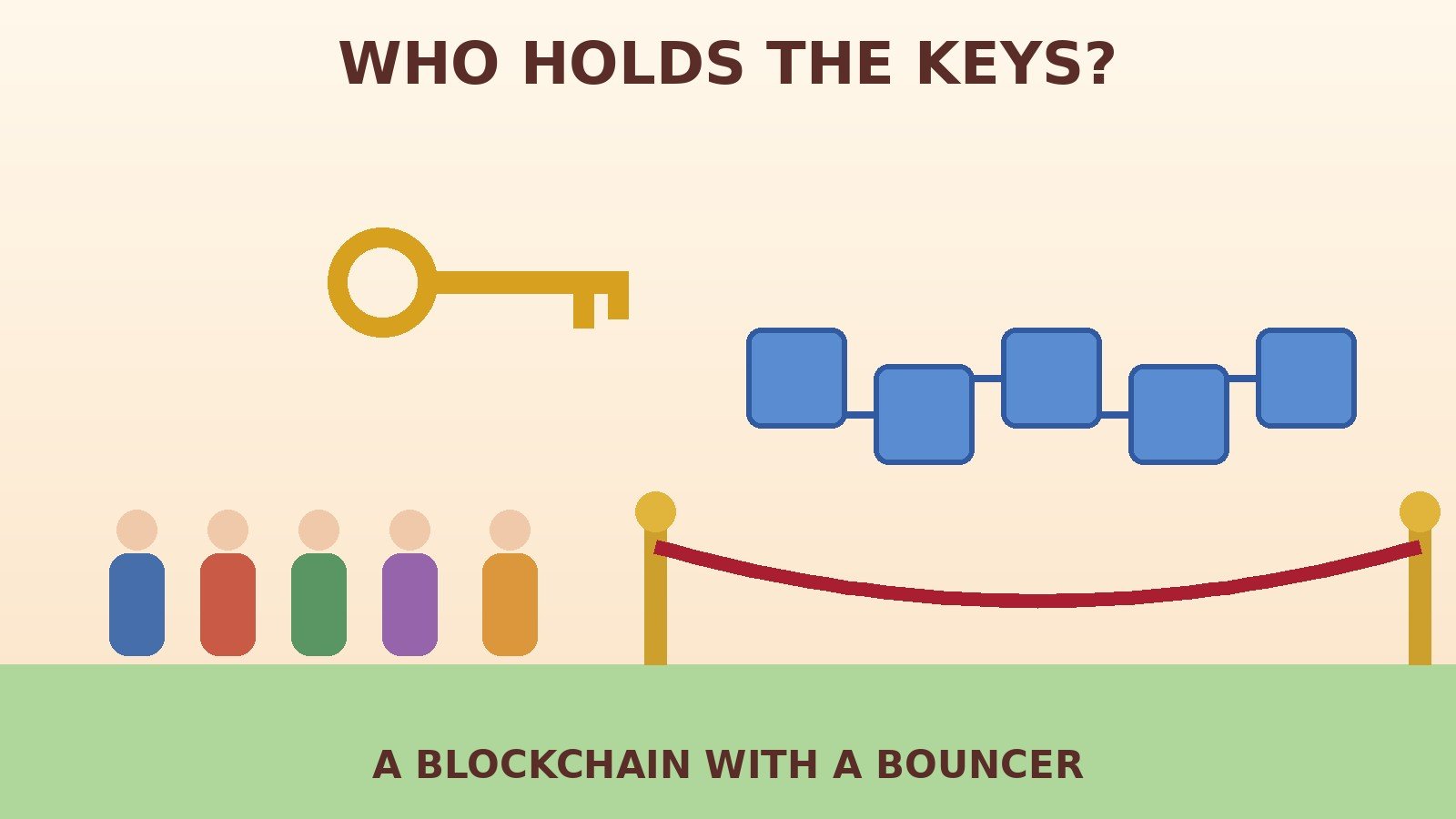
Crypto’s big promise was rails nobody owns. On Monday, the New York Stock Exchange showed what Wall Street wants instead: the speed of a blockchain, with a bouncer at the door.
Ava Labs said Avalanche technology will serve as the core ledger for the clearing firm behind NYSE’s planned tokenized securities venue. Read the fine print. Ava Labs’ John Nahas told CoinDesk the exchange will run its own custom chain built on Avalanche tech, not Avalanche’s public network. NYSE’s Dennis Lee said the ledger has to “let us control who can take part.”
That is not a slip. It is the design.
Credit where it’s due. This could help regular investors. Stocks still settle a business day after the trade. In January 2021, Robinhood restricted buying of GameStop and other hot stocks, citing clearinghouse deposit demands that ballooned during the wait to settle. A venue built for 24/7 trading and instant settlement takes aim at that waiting window. ICE’s January plan also promised tokenized shareholders the same dividends and voting rights, and access for all qualified broker-dealers. Good.
But follow the keys. Avalanche says its dedicated chains can set their own rules, including who validates the network and who can participate at all. So the questions write themselves. Who runs the validators? Can the operator pause the chain, freeze a token or reverse a trade? Who decides when the market gets “disorderly”? None of that has been disclosed. The venue still needs regulatory approval, and no launch date is public.
And look who’s building. The Depository Trust & Clearing Corporation launched a tokenization service last month on its own private blockchain, according to CoinDesk. Nasdaq is working with Kraken’s parent company. ICE, NYSE’s parent, is lining up tokenized deposits with BNY and Citi. The same institutions that run today’s pipes are building tomorrow’s, and each wants its own gate.
My speculation: the first time a meme-stock frenzy hits a 24/7 tokenized venue, the permission layer will matter more than the speed. A ledger built to “let us control who can take part” is a ledger that can say no, fast, at 2 a.m., with no exchange floor to blame. I’m not saying anyone plans that. I’m saying the tool is in the box, and tools get used.
My speculation, part two: AVAX holders cheering this may be cheering the brand more than the business. No fee or token arrangement has been disclosed, and a private chain doesn’t need the public one to be busy.
What I’d want to see. Before regulators sign off, publish the rulebook for the ledger itself, not just the trading venue. Who holds the admin keys. What triggers a pause or a freeze. How a reversal gets ordered and who reviews it. Whether retail brokers get the same access as the biggest banks, in practice, not just on paper.
Blockchains were sold as a way to trust math instead of middlemen. If the middlemen own the math, fine. Show us the keys.
Sources: Ava Labs, Avalanche Foundation, Intercontinental Exchange, CoinDesk, SEC staff report on early-2021 market events, Hardwire (Westen’s report).